
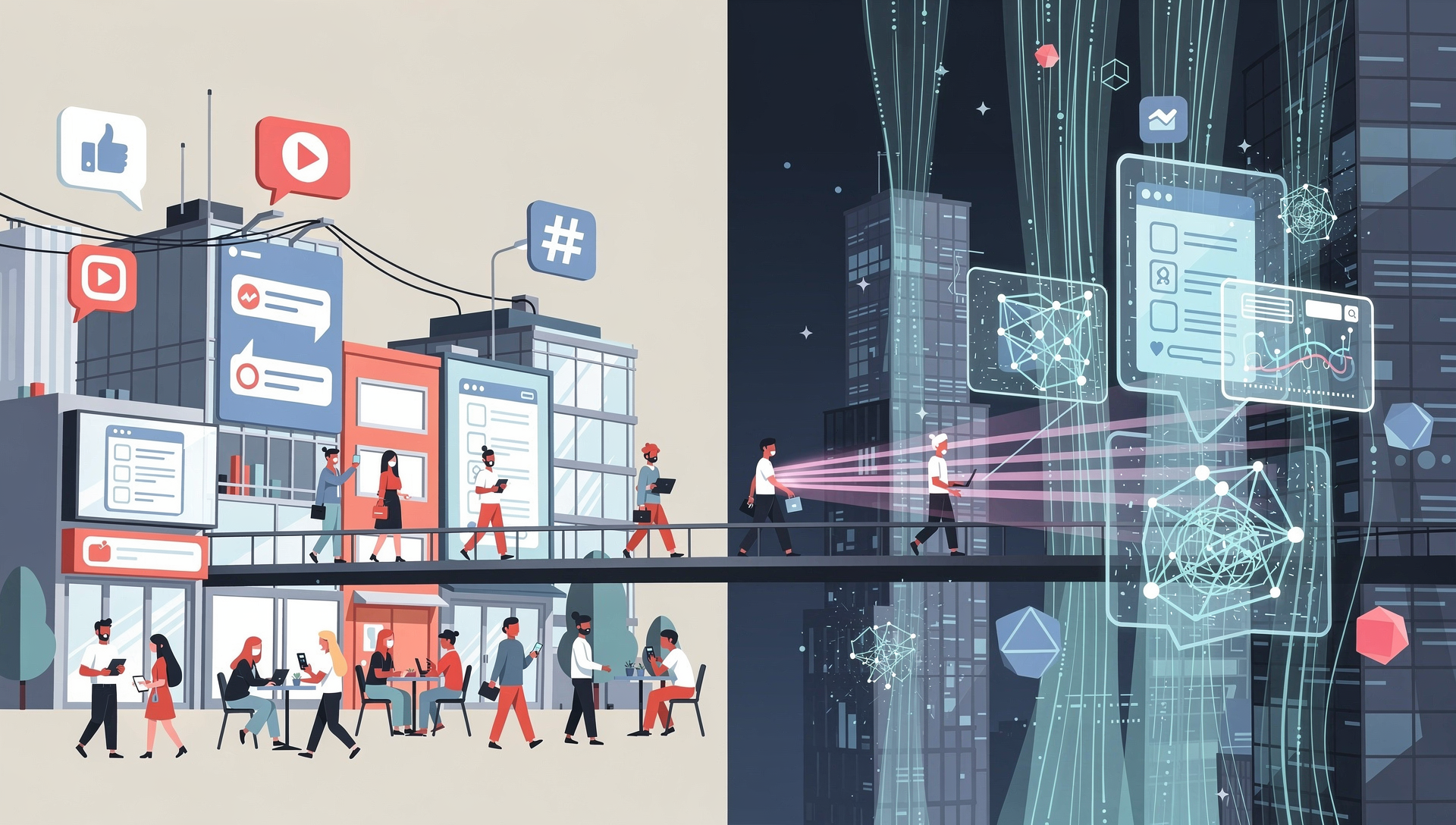
How EverythingCaches make brands machine-comprehensible
An EverythingCache is a purpose-built information layer that makes your brand genuinely comprehensible to AI—without disrupting what already works for humans and search.
We're living through a partition between the Human Internet and the AI Internet. Everything Machines don't actually understand most brands, because the web wasn't built for machine comprehension.
Now the question: what do you do about it?
The dual-audience problem
Brands now serve two audiences simultaneously. Humans still visit your website. Search engines still crawl it. SEO still matters for direct acquisition.
But Everything Machines are also absorbing your digital presence—and they need something different. They don't want persuasive copy. They want comprehensive data. They don't scan for visual hierarchy. They parse for structured information.
Serving both audiences with the same content is increasingly untenable. What works for human conversion often fails machine comprehension. What machines need—deep, structured, systematic information—often makes for terrible landing pages.
The EverythingCache architecture
This is the problem EverythingCaches solve.
An EverythingCache is a purpose-built information layer that makes your brand genuinely comprehensible to AI—without disrupting what already works for humans and search.
It has two components:
Human/SEO-Targeted Content: An LLM-optimized, SEO-neutral mirror of your current site. This preserves your ranking infrastructure while cleaning up the information architecture for machine readability. Same content, better structure.
Machine-Targeted Content: Deep, systematic information designed specifically for AI consumption. This includes comprehensive data about your products, services, use cases, customer personas, and differentiation—formatted for the data-hungry models that power Everything Machines.
The Human Internet gets what it needs. The AI Internet gets what it needs. Both from the same brand, without compromise.
Building the knowledge graph, brand by brand
At EverythingMachines, we're building a knowledge graph of brands—a structured layer of the internet designed for AI comprehension.
Every EverythingCache we deploy adds another node to this graph. Another brand that AI can genuinely understand. Another company whose probability of being the "best answer" rises because the machines have the information they need.
We build, host, and maintain these caches as a managed service. Brands get agent-ready infrastructure without rebuilding their existing digital presence.
The bridge strategy in practice
The smartest brands are already operating in both worlds. They're maintaining their SEO infrastructure while building for AI comprehension. They're not abandoning what works—they're extending it.
EverythingCaches are how that extension happens. They're the bridge between the web you have and the AI Internet that's already here.
The future of brand discovery isn't ranking. It's representation. And representation requires infrastructure built for the machines that now mediate what consumers find, trust, and buy.
This is the world we're building for. Brand by brand. Cache by cache.
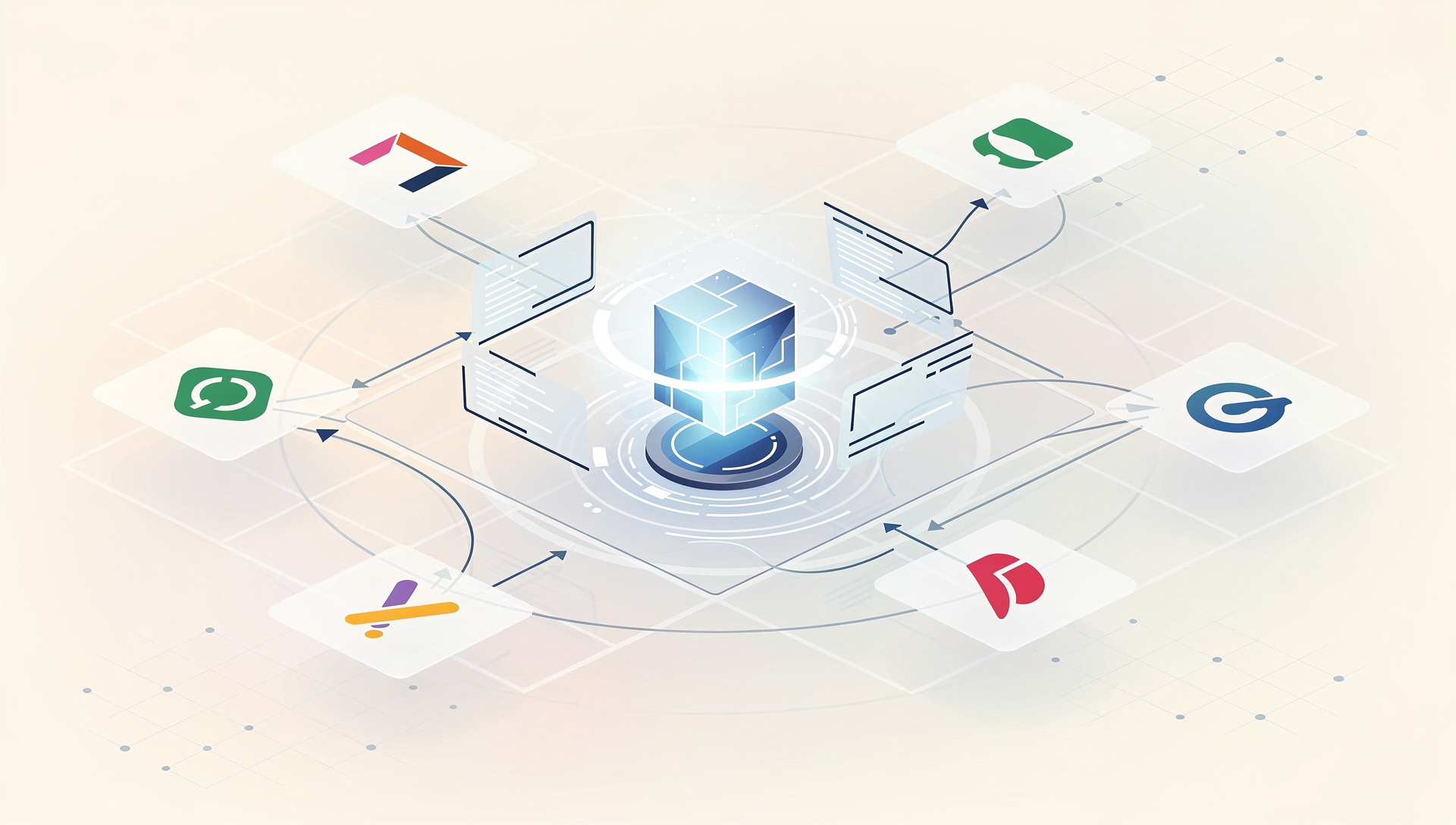
The comprehension gap: why AI doesn't actually understand your brand
Everything Machines don't read the internet the way humans do. They don't browse your homepage, scan your navigation, and piece together what you offer. They absorb—pulling from training data, live web access, and whatever structured information they can find.
Ask ChatGPT about your company. Then ask Perplexity. Then Claude. Then Gemini.
You'll get four different answers. Some will be outdated. Some will be wrong. Some will confuse you with a competitor. And none of them will capture what actually makes you different.
This is the comprehension gap. And it's the central problem of brand visibility on the AI Internet.
The web wasn't built for machines
Everything Machines don't read the internet the way humans do. They don't browse your homepage, scan your navigation, and piece together what you offer. They absorb—pulling from training data, live web access, and whatever structured information they can find.
The problem: today's web was designed for human eyeballs, not machine comprehension.
Your website is optimized for visual hierarchy and conversion funnels. Your product pages are built to persuade, not to inform systematically. Your brand story is scattered across blog posts, press releases, social feeds, and third-party mentions—none of which were structured for AI ingestion.
The result is a fragmented, inconsistent, often contradictory picture of what your brand actually is. When an Everything Machine tries to synthesize "who is [your company]," it's working with incomplete blueprints.
From ranking to representation
On the Human Internet, the question was: Where do we rank?
On the AI Internet, the question is: How are we represented?
This is a fundamental shift. Traditional SEO optimized for algorithms that sorted and ranked pages. AI requires something different: genuine comprehension. The model needs to understand your products, your customers, your use cases, your differentiation—not just index that a page about you exists.
Think of it this way. Ranking was about visibility. Representation is about fidelity. Does the AI's internal model of your brand match reality? When someone asks for a recommendation in your category, does the machine understand why you're the right answer?
The probabilistic best answer
Here's what makes AI discovery different from search: there's no ranked list. When someone asks Perplexity "What's the best CRM for a 50-person sales team?", the model doesn't return ten options sorted by authority score. It synthesizes a probabilistic best answer—the recommendation it calculates is most likely correct given everything it knows.
Your brand either exists in that calculation or it doesn't. And if it does, the quality of its representation determines whether it gets surfaced.
This is why the comprehension gap matters. An Everything Machine working from scattered, outdated, or thin information will produce a scattered, outdated, or thin representation. The probability that you're the "best answer" drops accordingly.
What machines actually need
To be represented accurately, brands need to provide what AI systems are hungry for: structured, comprehensive, machine-readable information about who they are, what they sell, who they serve, and how they're different.
This isn't about keywords or backlinks. It's about informational depth. Everything Machines reward brands that make themselves genuinely understandable—that provide the data density needed for accurate synthesis.
The brands winning on the AI Internet are the ones treating machine comprehension as a first-class problem. They're not just optimizing for search. They're building the information architecture that lets AI know them.
The gap between being indexed and being understood is the gap between the Human Internet and the AI Internet. Closing it is no longer optional.
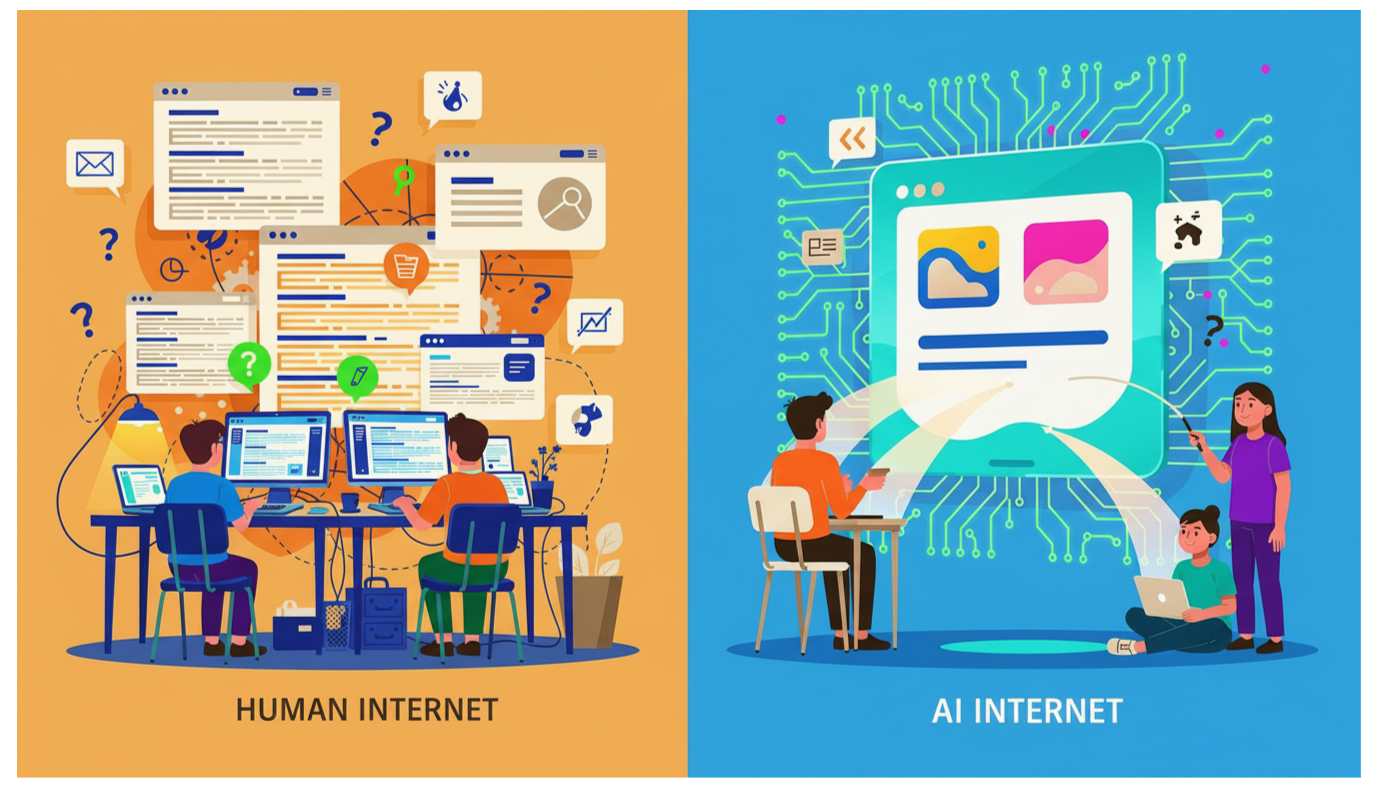
The internet is splitting in two
We're living through a quiet partition. The Human Internet—built on browsers, blue links, and SEO—still exists. Billions of queries still flow through Google. But alongside it, a parallel infrastructure is growing faster than any platform shift in history. The AI Internet doesn't work like the old one.
A couple of months ago, I watched my teenage niece research headphones. She didn't open Google. She didn't scroll through reviews. She opened ChatGPT and said: "I need wireless headphones for running, under $150, that won't fall out."
Three responses later, she had her answer. No browsing. No comparison tabs. No ads.
This is how the next generation already uses the internet. They don't search. They delegate.
The numbers are in
This isn't anecdote anymore. It's mass behavior.
ChatGPT now has 800 million weekly active users. It's the sixth most-visited website on the planet—5.6 billion visits in July 2025 alone. Perplexity processed 780 million queries last month, tripling its volume from a year ago.
McKinsey's October 2025 research puts it bluntly: half of all consumers now use AI-powered search. Menlo Ventures found 61% of American adults have used AI in the past six months. One in five use it daily.
This is habit formation at scale. The AI Internet isn't emerging. It's here.
Black Friday made this tangible. Adobe Analytics tracked a record $11.8 billion in online spending—and an 805% spike in AI-driven traffic to retail sites compared to last year. Shoppers who arrived via AI chatbots were 38% more likely to purchase than those who came through traditional channels. The delegation economy isn't theoretical. It's ringing the registers.
Two internets, one transition
We're living through a quiet partition. The Human Internet—built on browsers, blue links, and SEO—still exists. Billions of queries still flow through Google. But alongside it, a parallel infrastructure is growing faster than any platform shift in history.
The AI Internet doesn't work like the old one. There are no page rankings. No click-through rates. No keyword density games. Instead, there are Everything Machines—ChatGPT, Perplexity, Claude, Gemini—that absorb information, synthesize it, and deliver answers directly.
The shift is already measurable in Google's own results. 60% of searches now trigger an AI Overview. 58% of all searches end without a single click—up from 25% five years ago. When AI Overviews appear, organic click-through rates crash 61%. Paid CTR drops 68%.
The infrastructure of the Human Internet remains. Its primacy is fading.
What changes for brands
On the Human Internet, success meant ranking. You optimized for keywords, built backlinks, climbed the SERP. The rules were knowable. The causality was direct.
The AI Internet operates differently. Your brand doesn't rank—it gets surfaced. And surfacing isn't deterministic. It's probabilistic. When someone asks an Everything Machine for a recommendation, your brand either exists in that model's understanding of the world, or it doesn't. There's no page two to fall to. There's only presence or absence.
McKinsey estimates $750 billion in consumer revenue is at stake by 2028. That's the value flowing through queries where AI—not search engines—shapes the answer.
The question shifts from "How do we rank higher?" to "How do we become part of what AI knows?"
The bridge moment
We're in a transitional period. Smart brands are operating in both worlds—maintaining their SEO infrastructure while building for AI comprehension. The Human Internet isn't disappearing tomorrow. But every month, more queries flow to Everything Machines. Every month, the balance tips.
The brands that thrive in five years are the ones building AI-ready infrastructure now. Not because the Human Internet is dead, but because waiting until it is will be too late.
The future of discovery isn't search. It's synthesis. And the internet is already splitting to accommodate it.
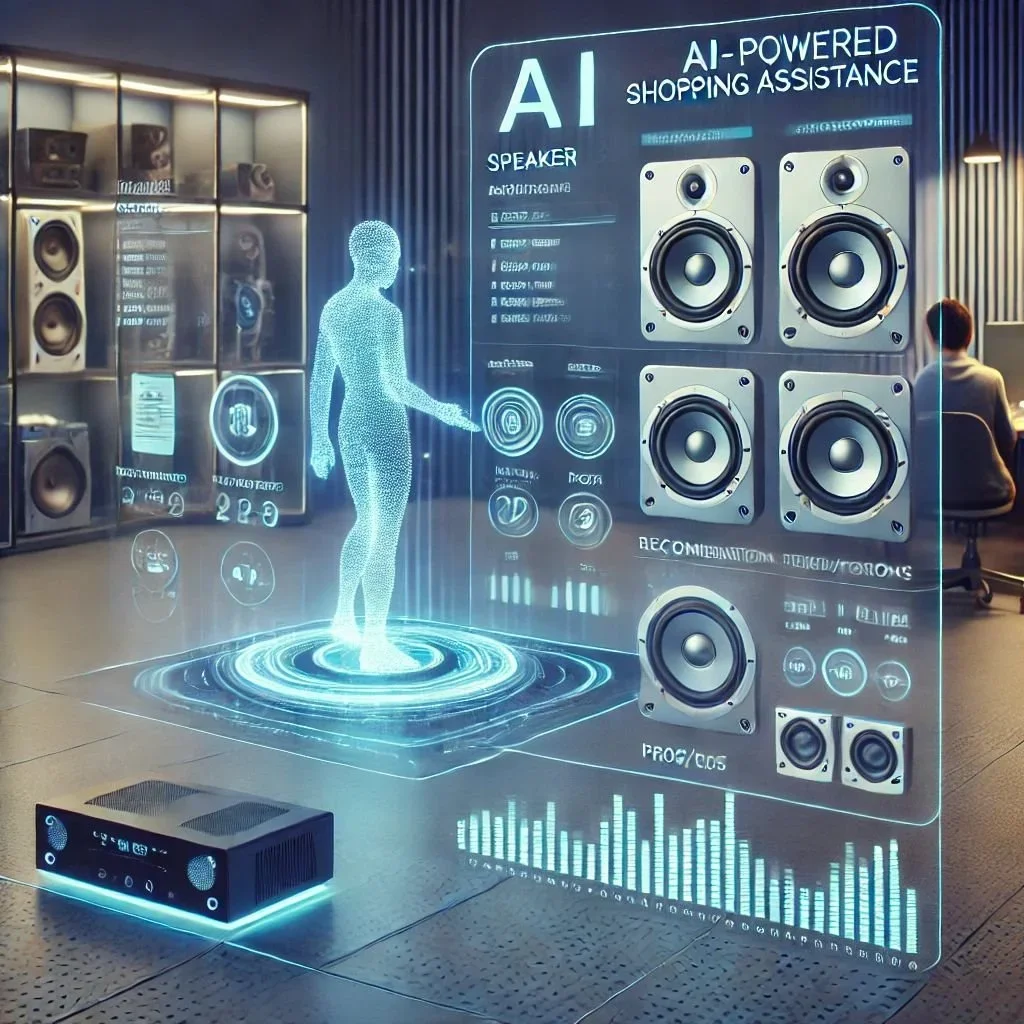
The future of buying
AI tools like Perplexity are revolutionizing buying decisions by acting as personal product specialists. Instead of sifting through specs and marketing, users get tailored analysis and recommendations. This shift promises smarter, more efficient purchases—especially for complex, high-ticket items—and signals a future where AI guides every major buying decision.
A couple of weeks ago, I started daydreaming about upgrading my hi-fi setup. I asked Perplexity to find reviews of my speakers paired with a specific integrated amplifier. What happened next perfectly captures how we will make buying decisions in the future.
Perplexity informed me that there were no reviews of my speakers paired with the specific amplifier I was asking about. However, it did read the reviews of my speakers and noted their power requirements. It then compared those requirements with the power output of the amplifier I was considering. It recommended alternative amplifiers that would be better suited to my speakers' power requirements.
Perplexity became my personalized audiophile product specialist, helping me synthesize information from multiple sources, performing analysis, and not only answering my specific question but also going one step further and making alternative recommendations. It is just a matter of time before it asks me if I want it to find the best prices on both new and used models of the recommended amplifiers and order one for me.
The powerful thing here is how Perplexity focused on directly answering my question. This is a far superior customer experience compared to having to wade through marketing brochures and technical specifications myself. In fact, I’m starting to trust Perplexity more than any individual review site or brand marketing site.
Admittedly, my example is a high-consideration, high-ticket purchase that benefits from technical knowledge and analysis. However, there are many purchases like this over the course of one's life. And once you get used to having a personal product specialist for these purchases, why wouldn't you expect one for every non-routine purchasing decision?
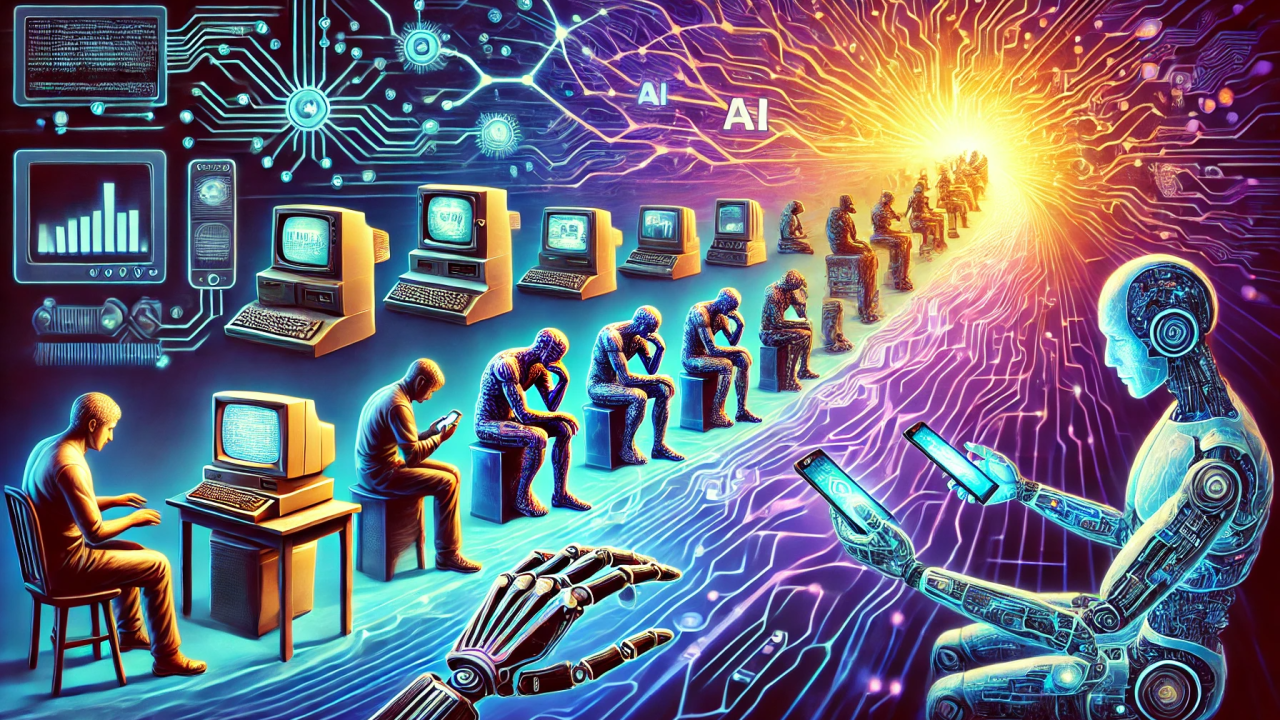
The next internet evolution
AI is transforming the Internet from human-driven browsing and search to agent-based automation. As Google shifts to Generative Search and AI Overviews, traditional SEO and media business models face disruption. The future: intelligent agents mediating our online experiences and reshaping how we discover, buy, and interact online.
For most of the history of the Internet, it's been a tool built by and for humans. A lot of effort has been spent on how to make the Internet easier to use. First there was the browser, then the search engine, SaaS, smartphones and finally apps. Yes, this is a gross simplification, but a useful one to help understand where we are going next.
The browser made navigating the internet less complicated. Search engines allowed us to find the proverbial needle-in-the-haystack and became the backbone of online marketing. SaaS made delivering sophisticated software solutions scalable to businesses of all sizes. Smartphones made the internet portable and ubiquitous. And finally apps made it easy to address every conceivable use case from sharing silly videos to instant food gratification.
AI is changing all of this. We are evolving from the Human Internet to the AI Internet. On the Human Internet we developed sophisticated software to make it easier to use. On the AI Internet we will have machine-built agents that complete tasks on our behalf. Today’s AI Internet takes the form of LLMs that are handy creative and research interns. But with OpenAI Operator, Google Project Astra and Apple Intelligence, tomorrow’s AI Internet will be replete with agents, mediating online activities on our behalf.
We are already starting to see the impact of this transition in SEO. Google is aggressively cannibalizing its search business in favor of Generative Search. The impact is that Search Engine Results Pages are rapidly evolving from a jumping off point to the right parts of the Internet to the one-and-done destination for your query. Recent research found that nearly 48-percent of Google SERPs can include an AI Overview. This pushes links below the fold in favor of a summary of what's below the fold, eliminating the need to scroll down and click through to the sites listed.
Google’s AI is interpreting your intent and serving you a synopsis that is likely good enough. It is going beyond curating the best links for you to intermediating your interaction with the Internet. When it’s right, it’s a great user experience.
This completely changes the business model of the media businesses that used to benefit downstream from Google. Those businesses monetize that traffic through advertising, subscription sales or some combination of both. They are going to have to rethink their business models and value propositions for the AI Internet (we can help here). This is like the Napster moment for the text based web. The music business model evolved from selling physical media to streaming, live performance and merch.
The online content and media business is probably due for a cycle of disruption to weed out sites that are more noise than signal. What happens as we turn to AIs for help with product discovery and buying decisions? This will go beyond disruption and fundamentally change the nature of buying and selling. More on this in the next post.